
Hospitality Architecture London
Crafting Distinction in the Capital’s Finest Establishments
A developer approached T&V Architects regarding a Mayfair hotel, an elegant property nestled between conservation areas. Previous architects had attempted the planning process, yet Westminster Council remained unconvinced. The building’s Grade II listing presented certain complexities, and each submission met with polite refusal.
Such scenarios are rather familiar territory for those practising hospitality architecture in London. One encounters heritage buildings requiring transformation into contemporary luxury hotels. Conservation officers who appreciate subtlety and respect for architectural lineage. Hotel proprietors seeking timeless elegance whilst navigating the exacting standards of discerning international guests.
What distinguishes London hospitality architecture is the nuanced understanding required – knowing which conservation approach resonates with Kensington & Chelsea versus Westminster. Appreciating that design language appropriate for Shoreditch proves entirely unsuitable for Belgravia. And securing approvals with grace and efficiency rather than through repeated attempts.
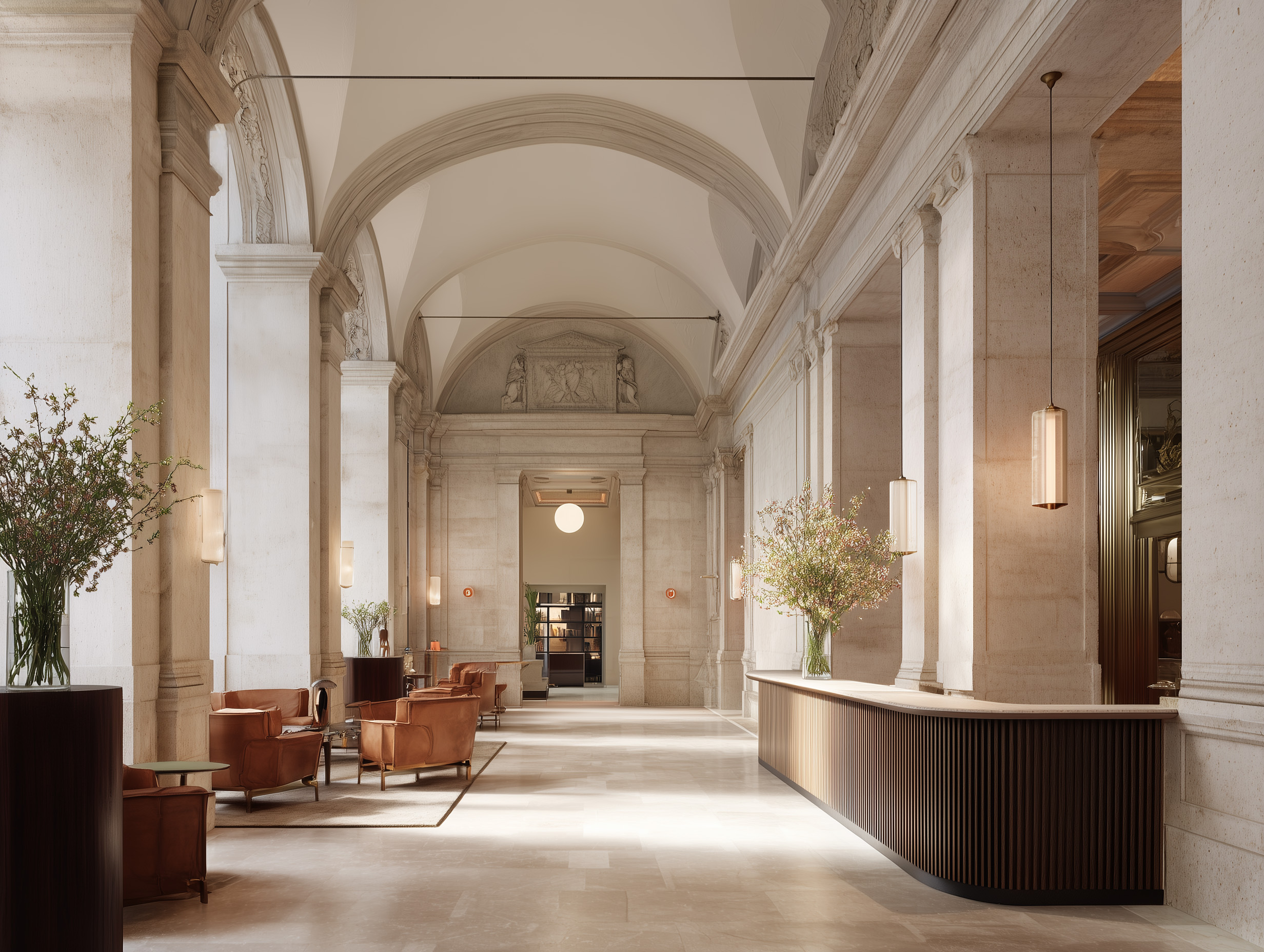
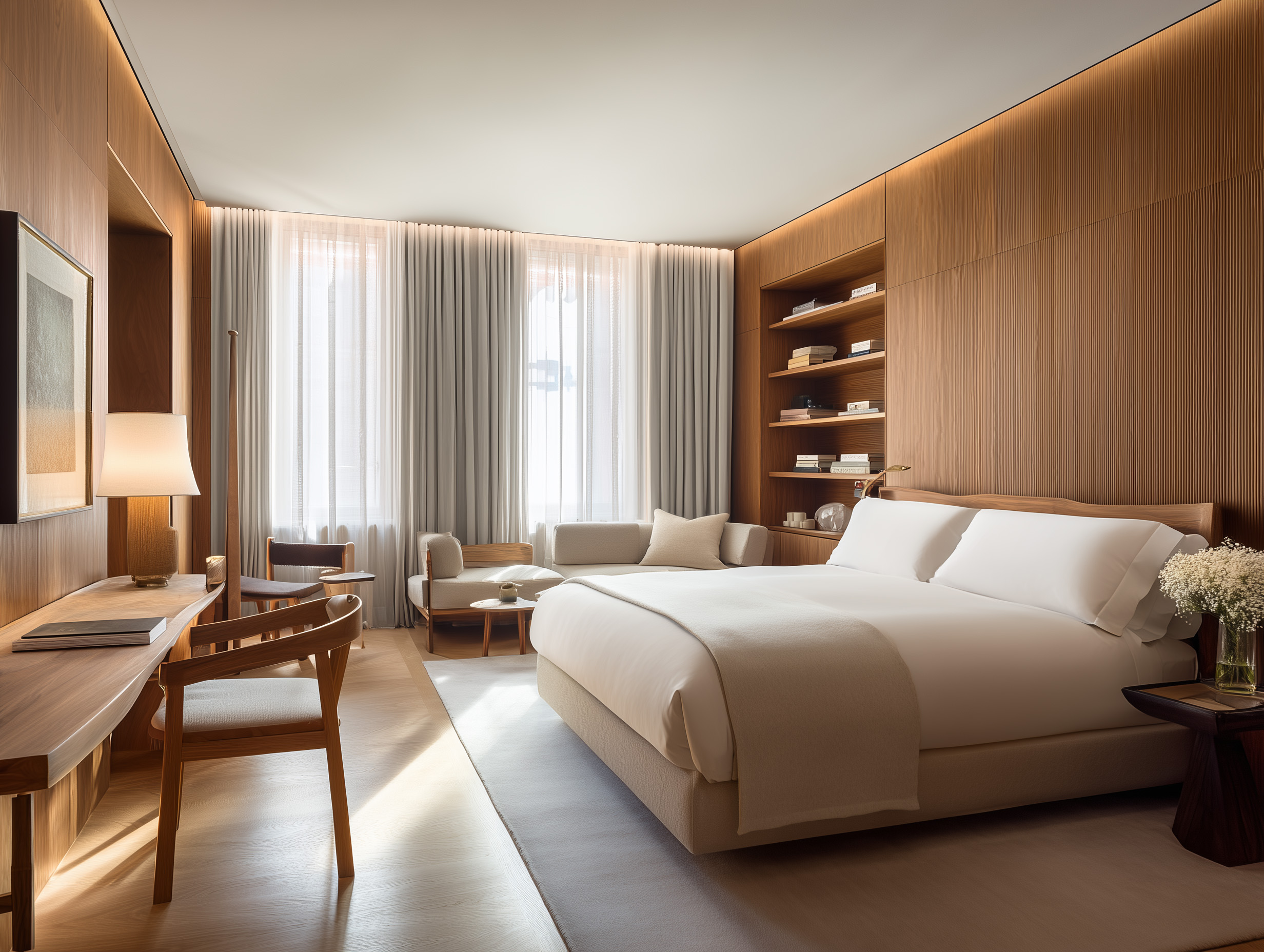
Luxury Hotel Architecture of Enduring Character
When seeking luxury hotel architecture services in London, one requires practitioners with established heritage. Not those familiar with regional projects, but professionals versed in the particular sensibilities of creating distinguished accommodations in Knightsbridge, where neighbouring residences house international families and every planning submission receives scrutiny from residents associations with formidable legal counsel.
Recently T&V Architects completed a luxury hotel project in South Kensington. The client envisioned a specific room count. The existing Victorian structure suggested different possibilities. Through meticulous space planning and working respectfully with the heritage envelope, we achieved an optimal arrangement without compromising the quality of guest experience. Each room feels generously proportioned despite being thoughtfully efficient.
This represents the calibre of consideration essential for London hospitality. One cannot simply replicate international precedents. Every building possesses unique characteristics, each borough maintains distinct requirements, and every project demands bespoke solutions crafted with care and expertise.
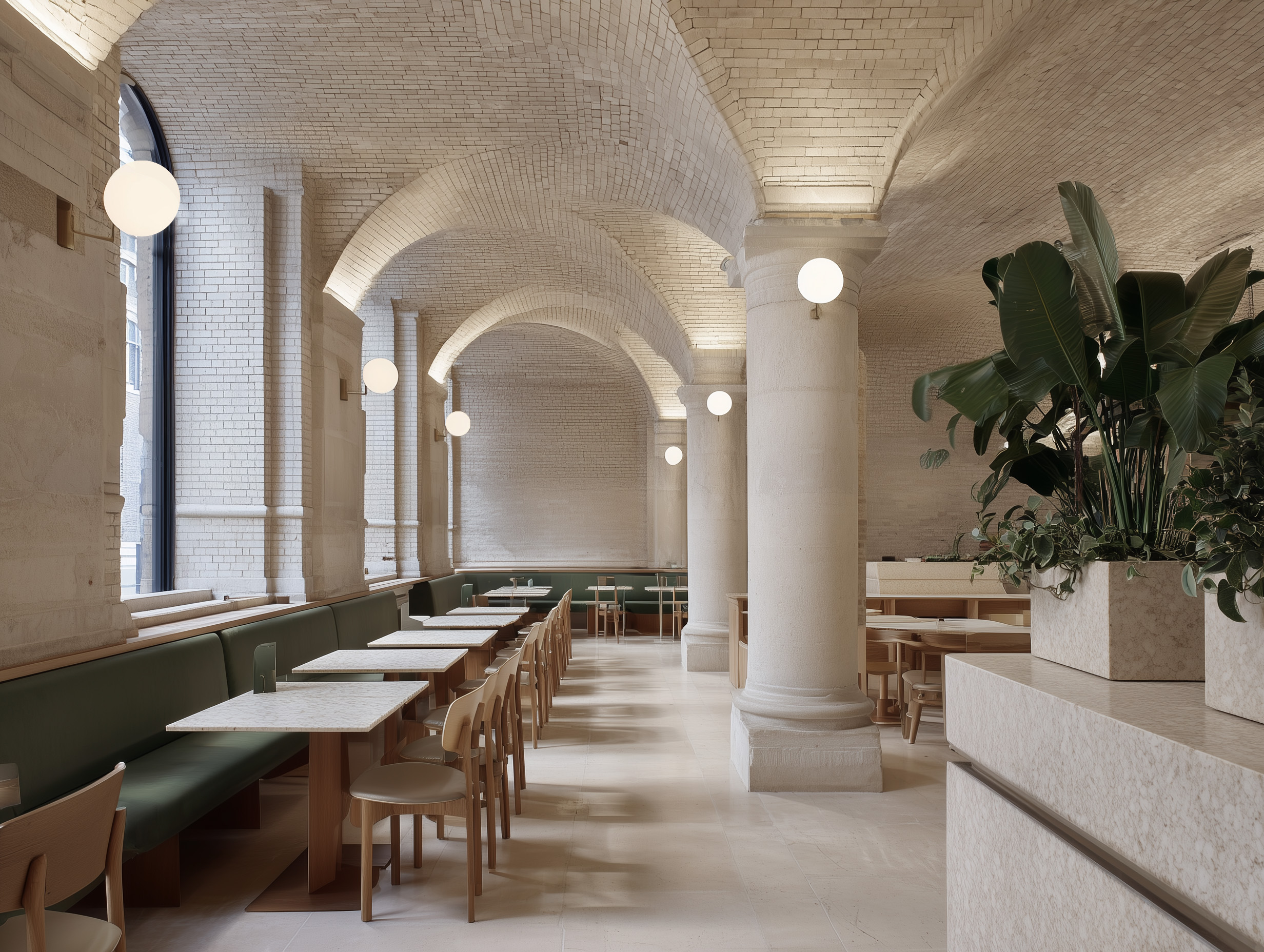
Boutique Hotel Design for London’s Discerning Market
Boutique hotel design in London transcends temporal trends. It concerns creating establishments of such distinctive character that guests choose your property over established luxury brands nearby. T&V Architects collaborated on a boutique property in Fitzrovia where the proprietor sought to compete with major houses without there considerable resources.
The approach involved strategic refinement rather than excessive expenditure. We concentrated investment on the lobby and guest rooms – spaces where guests truly dwell. Back of house areas received efficient, considered design. The result was an intimate hotel that conveys refinement far beyond it’s actual investment.
In Covent Garden, we transformed a former commercial building into a boutique hotel. The challenge lay in rendering corporate floor plates residential in character. Generous fenestration proved beneficial. As did introducing intimate alcoves and seating vignettes along corridors. Now guests experience a sense of residential comfort rather than commercial austerity, despite the building’s previous incarnation.
Hotel Refurbishment & Renovation With Operational Continuity
Hotel refurbishment projects in London often require maintaining operations throughout. Closing a Marylebone establishment for an extended period proves financially untenable. Thus T&V Architects has cultivated considerable expertise in phased renovations that minimise disruption to guests and revenue.
For a hotel near Piccadilly, we renovated the entire property over several seasons whilst maintaining substantial operational capacity throughout. The art lies in sequencing – addressing one floor whilst others remain pristine. Scheduling intensive work during quieter periods. Creating discreet routes ensuring guests never encounter construction activities.
Renovation projects inevitably reveal hidden complexities. One opens a wall in a Chelsea hotel to discover electrical systems unchanged since mid-century. Asbestos occasionally appears. Sometimes structural settlement requires foundation attention. Prudent architects anticipate such discoveries, building appropriate contingencies into schedules and budgets, because London buildings invariably present surprises.
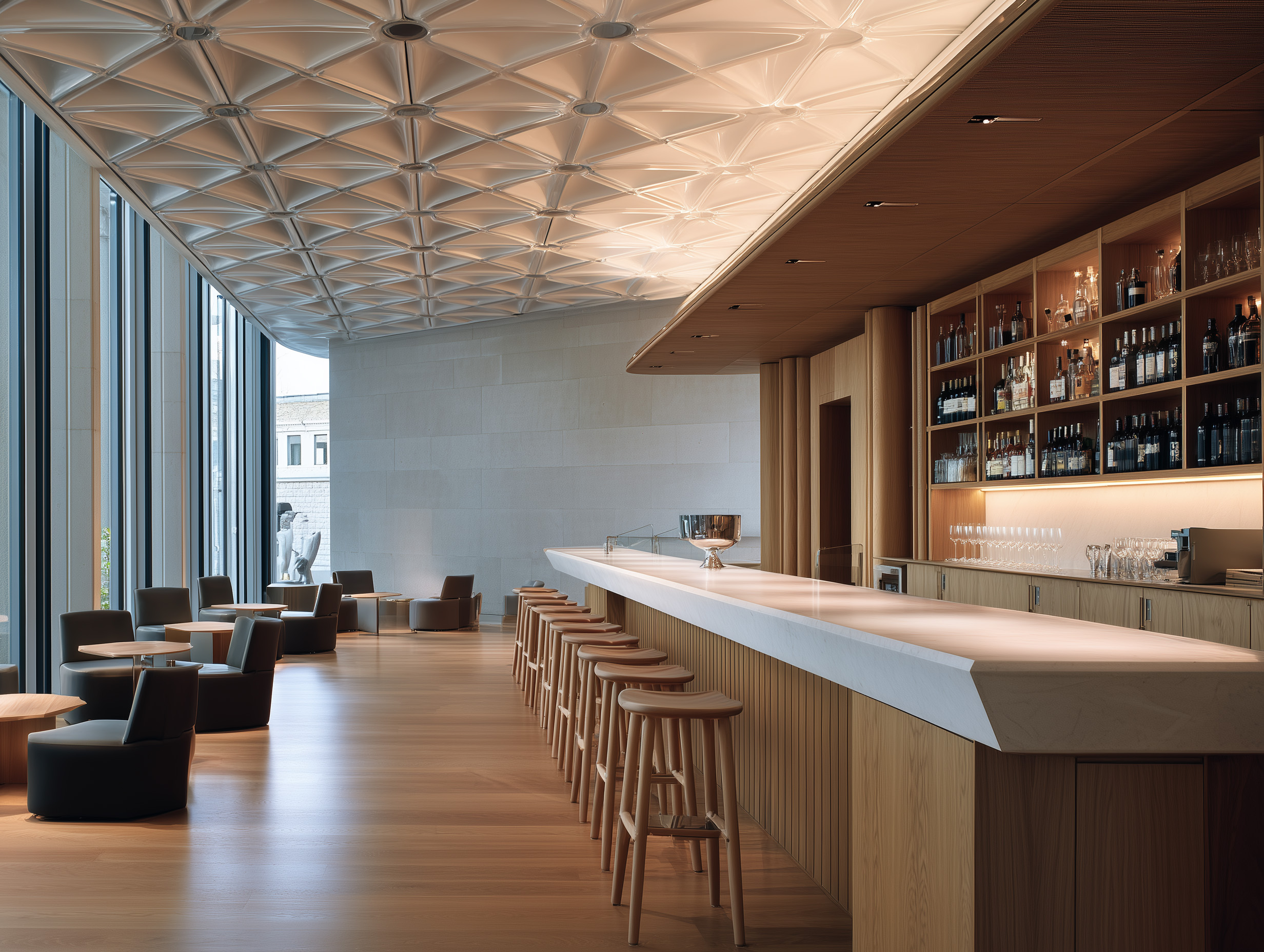
Hotel Lobby Design Where First Impressions Define Experience
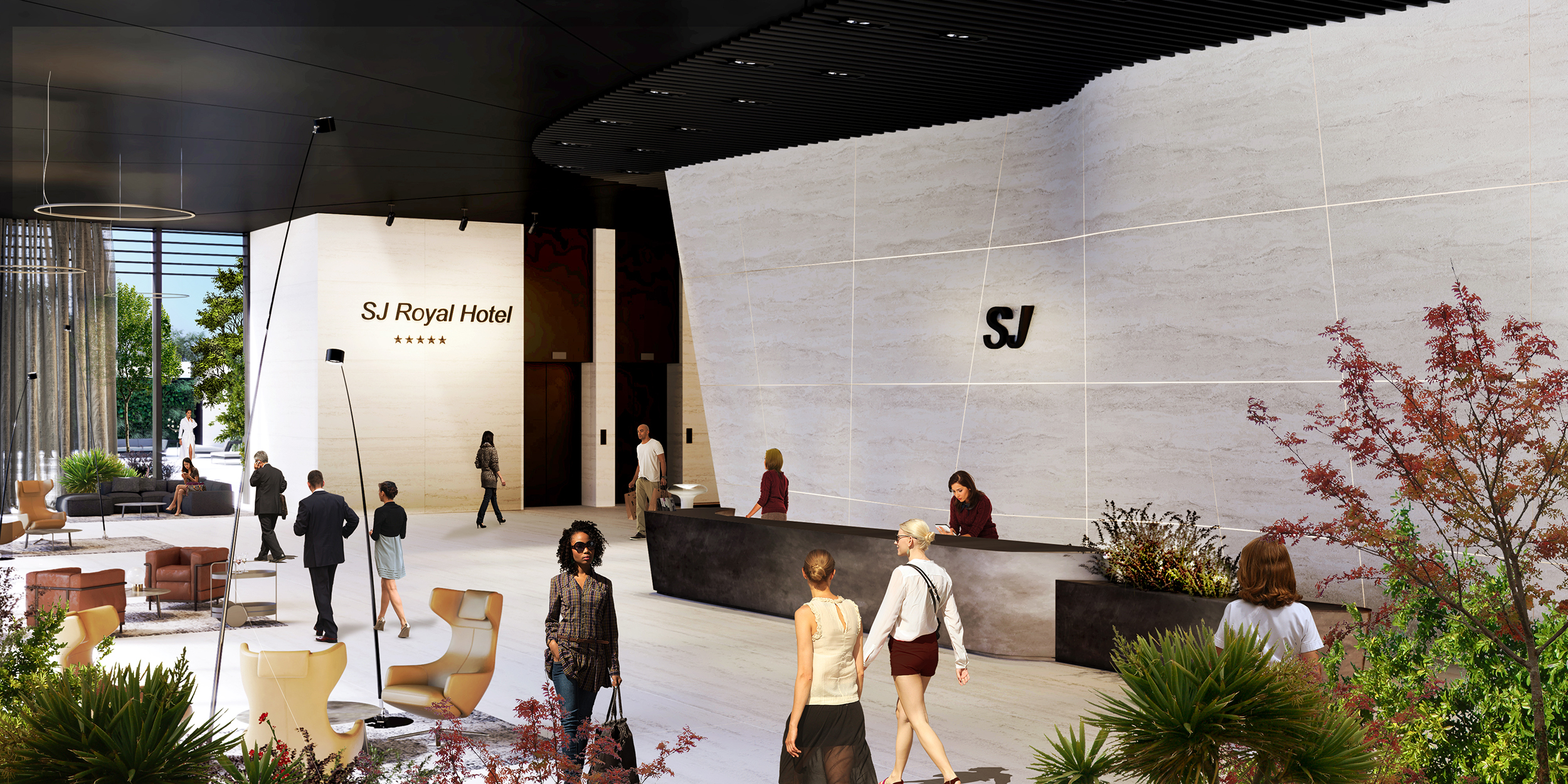
Your hotel lobby determines whether guests feel they’ve made an inspired choice. T&V Architects has designed hotel lobbies in Westminster where space proves precious. And we’ve designed lobbies in Belgravia where spatial generosity allows focus on atmospheric refinement.
For intimate lobbies, the approach involves reimagining the reception desk. Why maintain traditional proportions when technology enables elegant minimalism? We implemented this philosophy for a boutique hotel in Bloomsbury. Reducing the desk allowed introduction of comfortable seating, and suddenly the lobby conveyed spaciousness and welcome.
For grander lobbies, the challenge becomes creating intimacy within volume. Vast empty spaces merely evoke commercial atriums. So we establish distinct zones – seating arrangements here, perhaps a subtle bar there, maybe discrete retail or coffee service. This allows guests to find semi-private refuge whilst remaining within the social fabric of the space.
Hotel Room Layout Optimization for Enhanced Revenue
Hotel room layout optimization represents where financial success is determined. Every room one cannot accommodate represents perpetual lost revenue. Thus thoughtful layout planning proves essential.
T&V Architects undertook a project in Victoria where the developer sought maximum capacity yet the building initially suggested limitations. We reconsidered the core – relocated vertical circulation, reorganized service areas, and discovered capacity for additional rooms. Those extra rooms generate income continuously.
The skill lies in understanding hotel operations beyond mere architecture. Housekeeping requires storage on each floor. Linen management needs vertical circulation or service lifts. Minibar storage and restocking require thoughtful provision. Without planning for operational necessities, one creates hotels that photograph beautifully but function inadequately.
In St James’s, we addressed a conversion with irregular building geometry. Some rooms would have been modest, others excessively large. Rather than accepting this, we adjusted the accommodation mix – more suites to absorb awkward spaces, fewer standard rooms. The result delivered superior revenue performance as suites command premium positioning.

Hotel Spa Design Integrated Into Heritage Buildings
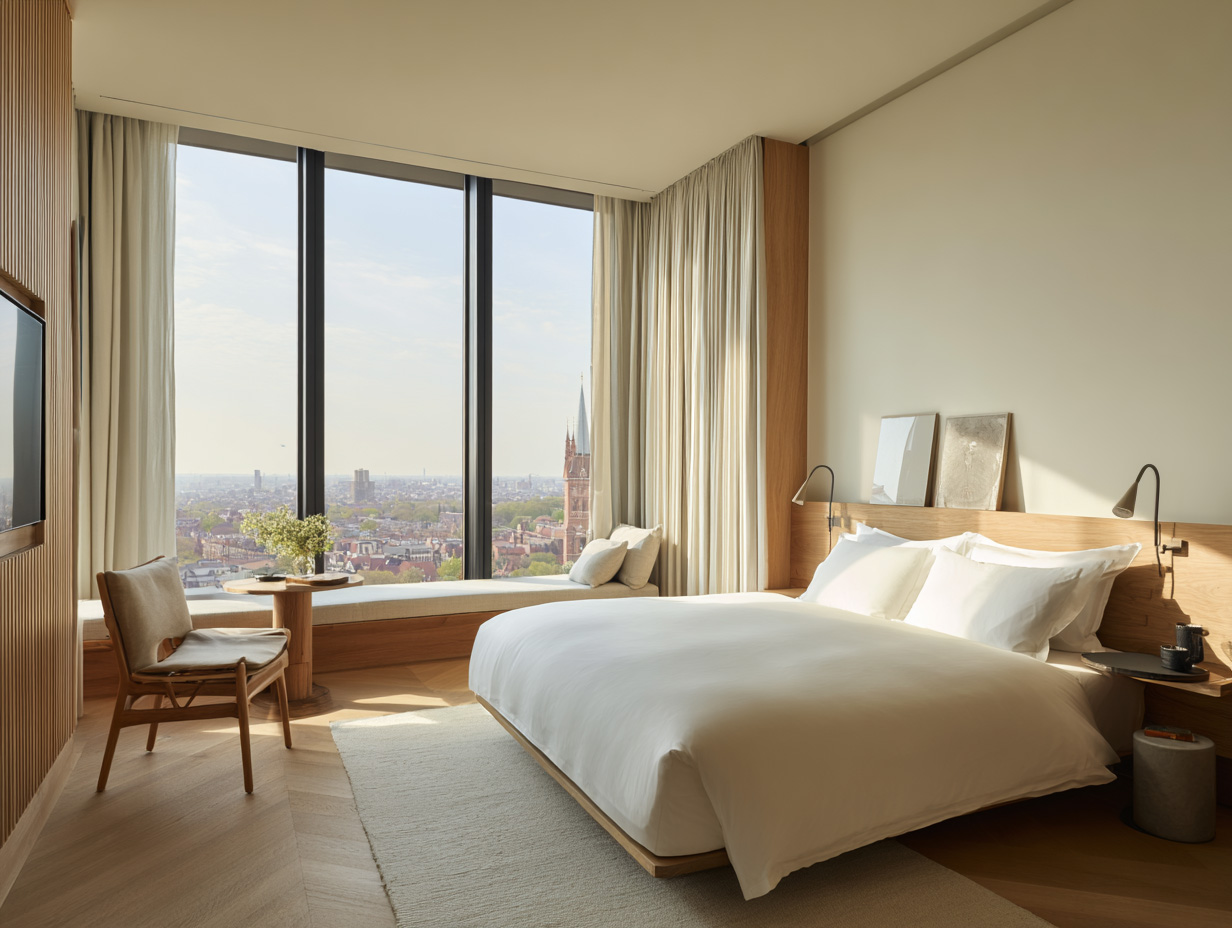
Hotel spa design within London properties presents particular complexities because most buildings weren’t conceived with wellness facilities. One requires greater floor-to-floor heights for treatment rooms. Specific ventilation systems. Waterproofing exceeding standard bathroom specifications. And implementing this within potentially historic structures.
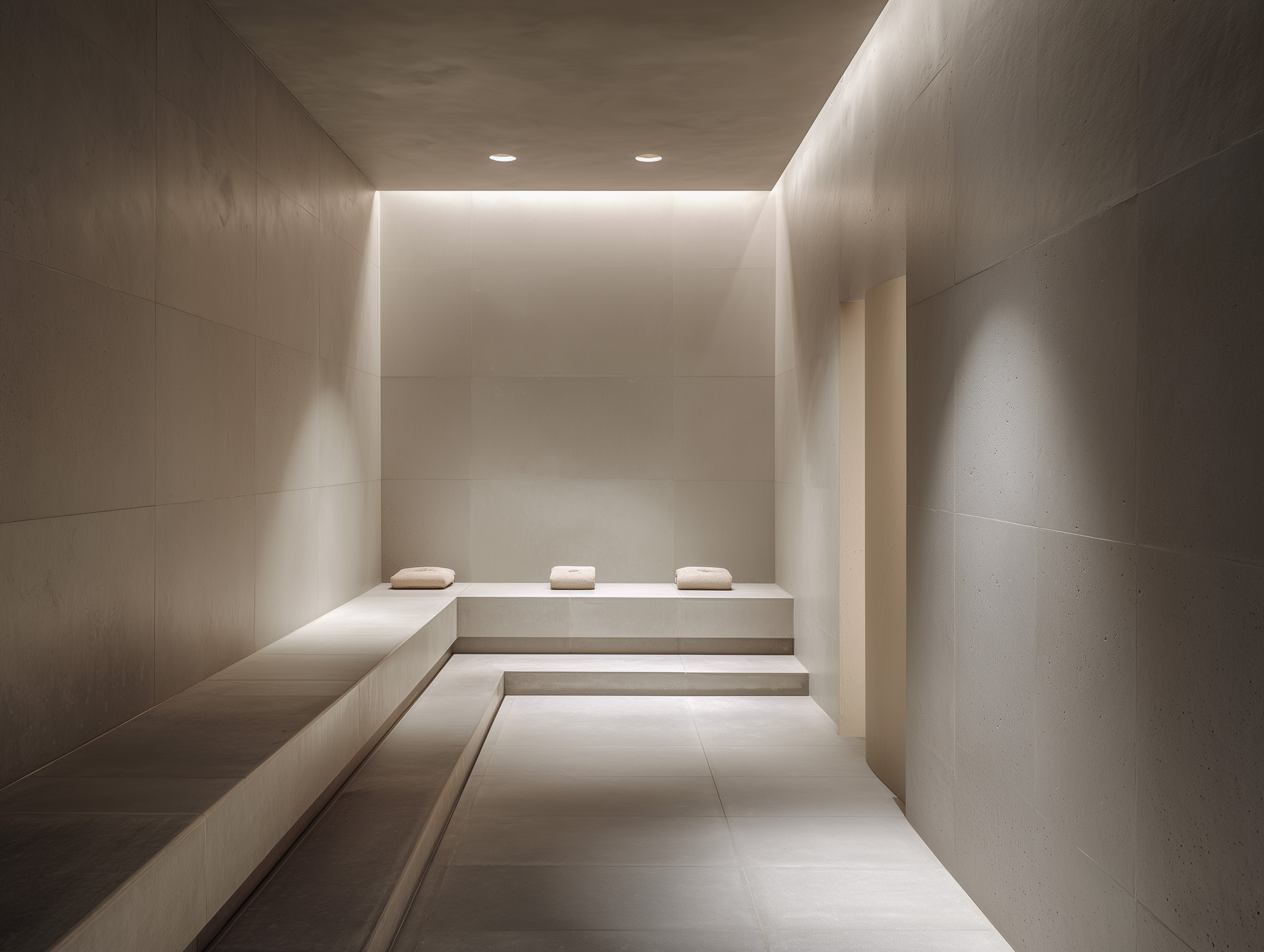
For a Knightsbridge hotel, T&V Architects transformed the lower ground into spa facilities. The challenge involved modest ceiling heights. Rather than resisting this limitation, we embraced it. Created an enveloping, sanctuary-like atmosphere through considered lighting design. Guests now describe it as intimate and exclusive rather than constrained.
Moisture management presents another critical consideration. One spa we designed in Chelsea initially generated such humidity that upper floors experienced complications. We comprehensively redesigned the climate control system to manage moisture appropriately. Such technical challenges require specialized expertise to anticipate and address properly.
Hotel Conference Center Design for Sophisticated Business Travel
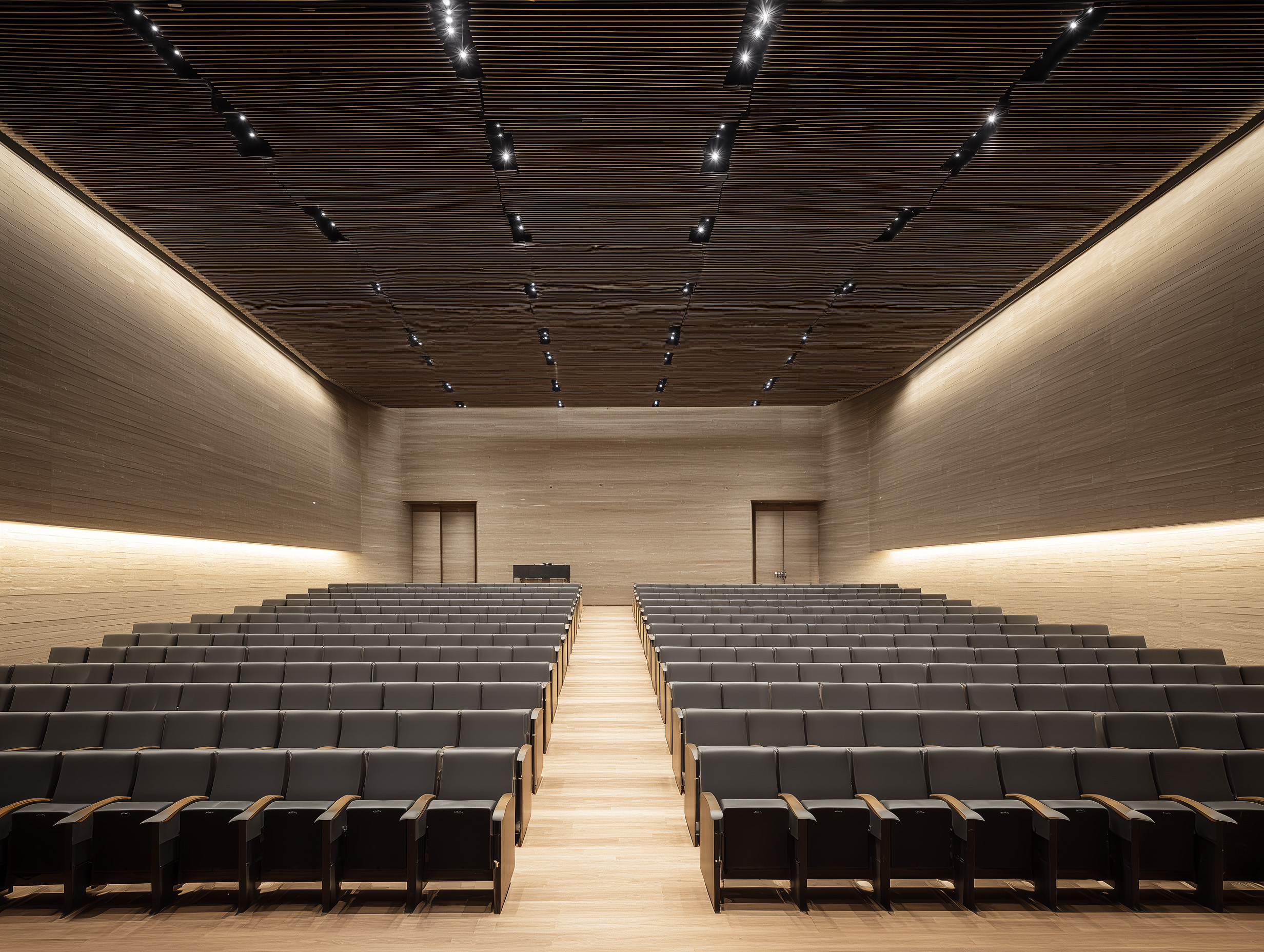
Hotel conference facilities in central London demand versatility. Large gatherings one day, multiple intimate meetings the next. T&V Architects designed conference provisions in a Mayfair hotel with flexible wall systems enabling numerous spatial configurations.
The critical factor proves acoustics. Movable partitions only succeed if they genuinely control sound transmission. Otherwise one group’s presentation becomes another’s unwelcome distraction. We specify substantial acoustic barriers, which command investment but prove essential.
Natural light represents another requirement discerning business travelers value. Extended periods in windowless environments prove draining. For conference facilities near Victoria, we designed light wells bringing daylight into interior spaces. This involved additional cost but enables the hotel to command premium rates for naturally illuminated meeting environments.
Members Club Architecture for Exclusive Environments
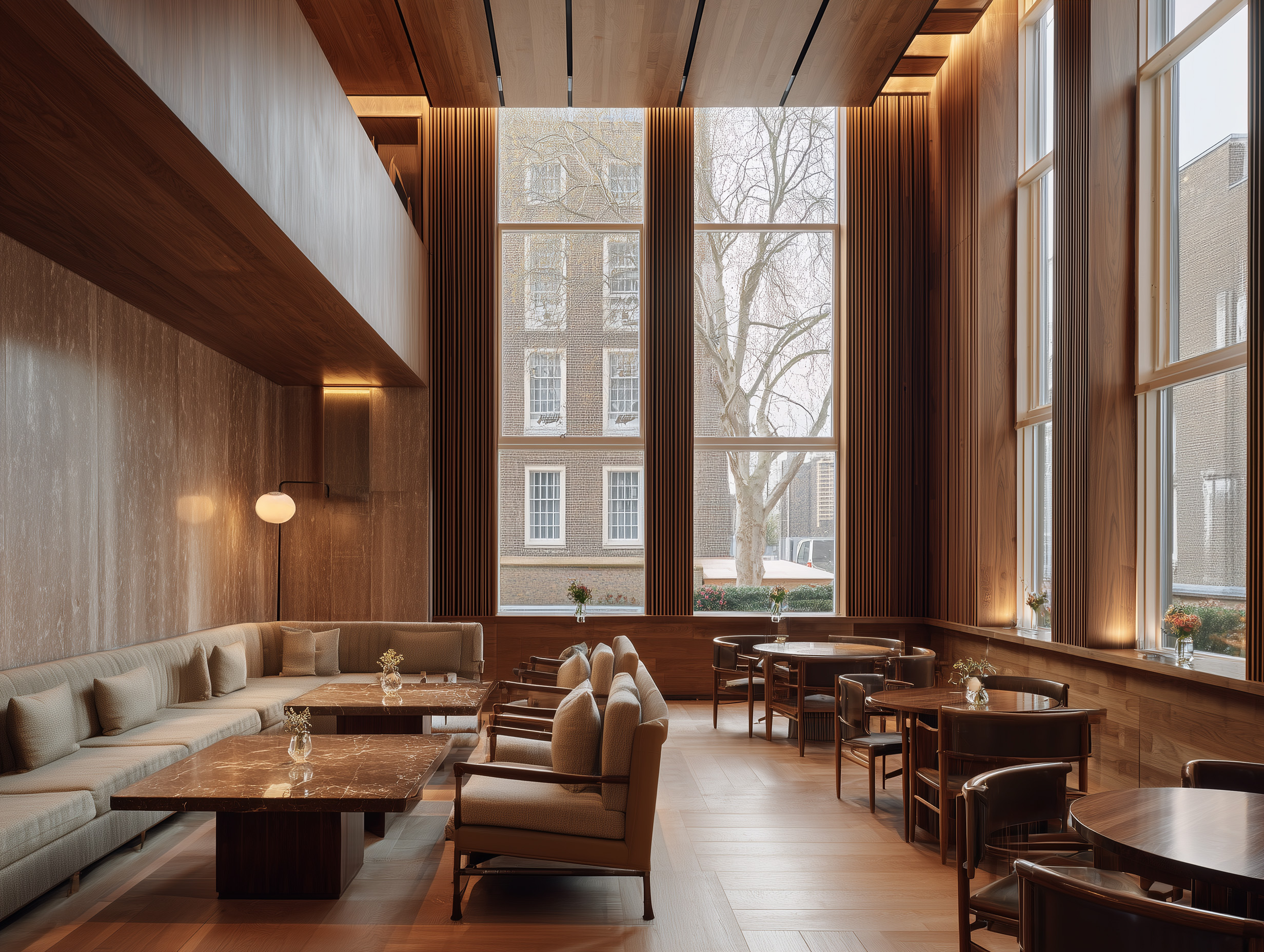
Members club architecture requires distinctly different sensibilities than hotels. Club members aren’t transient guests – there stakeholders. They expect perfection because there investing substantially in annual membership.
T&V Architects designed a members club in Mayfair where every detail received exacting attention. The changing room facilities needed natural stone, not commercial alternatives. The library required acoustic privacy so conversations remain confidential. The dining room needed sightlines allowing members to observe the room’s social landscape with discretion.
For a club in Covent Garden, the challenge involved creating multiple atmospheric experiences within one building. The bar needed intimate, contemplative character. The restaurant required energy and brightness. Meeting rooms demanded professional gravitas. The wellness areas needed calming serenity. All within unified architectural language maintaining coherence throughout.
Hospitality Planning Applications Through London Councils
Hospitality planning applications in London present there own particular challenges. Each borough maintains distinct requirements. Westminster’s expectations differ from Camden’s. Kensington & Chelsea might decline what Westminster recently approved.
T&V Architects has learned that pre-application consultations prove invaluable. One invests in preliminary meetings with planning officers before formal submission. They indicate what proves acceptable and what doesn’t. This preserved one client from pursuing a design direction that would have met immediate refusal.
Listed building consent presents additional layers of complexity. One cannot simply propose alterations. One must demonstrate why changes prove necessary. Heritage reports become essential. One must prove preservation of the building’s significant elements. For a hotel in St James’s, we devoted considerable time to heritage documentation before planning submission became possible.
Conservation areas add further considerations. Even when buildings themselves lack listing, surrounding areas may be protected. This means design must “respect the character” of it’s context, which proves subjective and depends on which conservation officer reviews your submission.
Hospitality Lighting Design That Shapes Experience
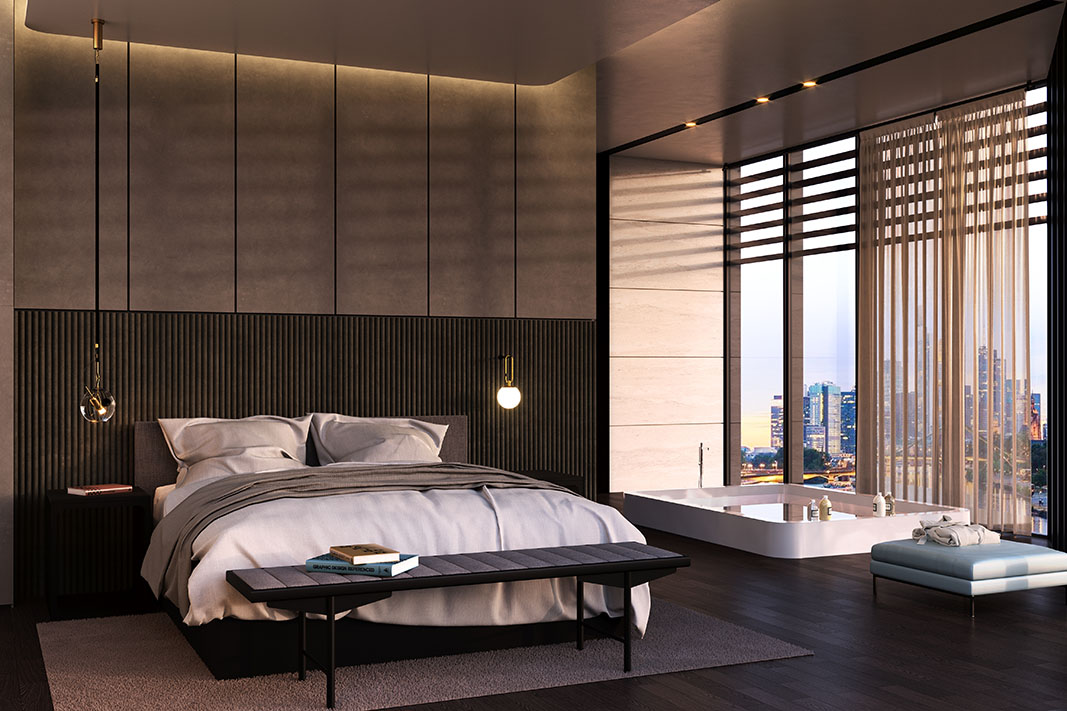
Hospitality lighting design determines how spaces feel and how guests respond to them. Bright illumination in hotel corridors suggests clinical environments. Soft lighting in restaurants conveys intimacy. The architecture remains unchanged – only the lighting differs.
For a luxury hotel in Belgravia, T&V Architects designed illumination systems with multiple programmed scenes for the lobby alone. Morning lighting – fresh and welcoming – for breakfast service. Afternoon illumination – softer and refined – for tea. Evening lighting – warm and intimate – for cocktails. The same space transforms completely based on lighting character.
Technical considerations prove equally important. Proper colour rendering ensures cuisine appears appetizing in dining spaces. Glare control prevents guest discomfort. Emergency lighting must satisfy regulations whilst maintaining design integrity.
For a members club in South Kensington, we concealed all lighting fixtures. Everything proves indirect – cove lighting, backlit surfaces, wall sconces that wash light across architectural planes. The result is illumination appears to emanate from the architecture itself, creating atmosphere that feels crafted rather than merely functional.
Collaborating With T&V Architects
Realising hospitality projects in London requires intimate local knowledge. T&V Architects has practiced across central London’s most distinguished boroughs. We understand which councils prove reasonable and which require additional diplomatic finesse. We know what planning applications require for success.
More significantly, we understand hotel operations comprehensively. We’ve designed everything from intimate boutiques to substantial luxury properties. We know housekeeping requirements. We know what proves practical for hotel engineers to maintain. And we know how to balance aesthetic refinement with operational excellence.
If your planning a hotel project in central London and require an architecture firm that understands the specific complexities of this distinguished market, T&V Architects invites conversation. We’ve practiced long enough that we’ve likely encountered whatever challenge your facing, and developed elegant solutions through experience and dedication to the craft.